Tungsten: The World’s Hardest-Working Metal
Explore the extraordinary properties and strategic importance of tungsten, a critical mineral powering modern industry, defence, and technology.

Explore the extraordinary properties and strategic importance of tungsten, a critical mineral powering modern industry, defence, and technology.
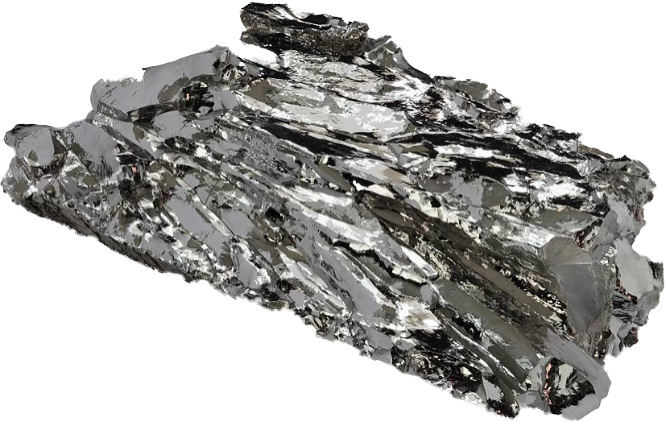
Tungsten (also known as wolfram) is the 74th element on the periodic table. This dense, hard, silvery-white transition metal has the highest melting point of any metal — around 3,422°C — and a density nearly 19 times that of water, roughly on par with gold.
Rarely found in its pure metallic form, tungsten occurs naturally in minerals such as wolframite and scheelite. It is a hard, lustrous, and highly refractory element with an atomic number of 74.
As a chemical element, tungsten’s combination of extreme hardness, exceptional density, and unmatched thermal stability sets it apart from virtually every other metal. These properties make it almost impossible to substitute in the high-performance applications that depend on it — from cutting tools to jet engines to semiconductors.
Tungsten is classed as a Critical Mineral by the Australian Government, the United States, the European Union, and Japan.
The global tungsten market is experiencing strong growth, driven by demand for defence and military applications, cemented carbides in industrial machinery, automotive, and electronics. The primary driver is tungsten carbide with tungsten’s extreme hardness, high melting point, and density means it finds uses in cutting tools, wear-resistant parts for mining and drilling equipment, armour-piercing rounds, and high-temperature industrial parts. It’s also finding increasing use in light bulb filaments, electronics, welding electrodes, and as weights in sporting goods and aerospace.
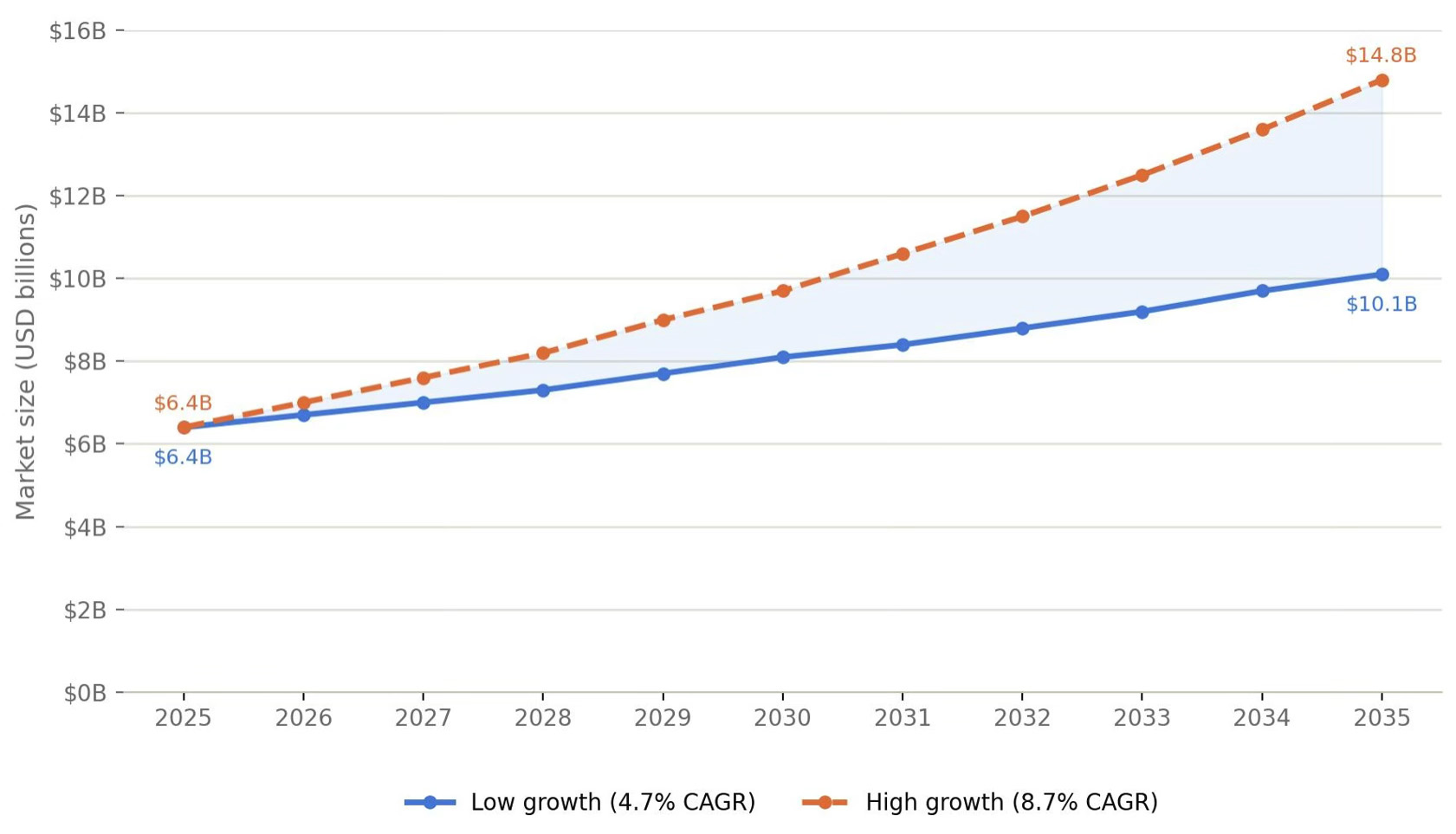
The tungsten market is anticipated to maintain a steady growth trajectory from 2025-2035, with key future factors including advancements in tungsten-based products, such as in electronics and sustainable manufacturing technologies. Starting at roughly USD 5.5–7.3 billion in 2024/2025, the market is expected to grow to over USD 11 billion by 2033–2035, growing at a compound annual growth rate CAGR) of 4.7% to 8.7% during that period driven by increasing industrial and military applications.